Crocodilians are made up of 28 species of alligators, crocodiles, caimans and gharials. They are mostly large, semi-aquatic carnivores with sizes ranging from the smallest Cuvier’s dwarf caiman, measuring up to 1.6 metres; to the largest saltwater crocodile averaging 5.2 metres but known to reach seven metres long and weigh up to 2,000 kg!
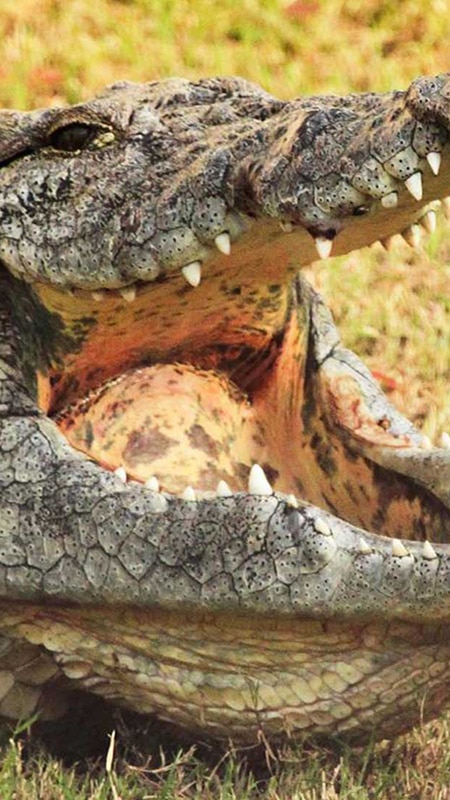
Mugger Crocodile

Zone
Asia

Scientific name
Crocodylus palustris

IUCN Red List status
Vulnerable (VU)
Natural habitat
Mugger crocodiles live in freshwater lakes, rivers and marshes, and prefer slow-moving, shallow water bodies in the Indian subcontinent. They also thrive in artificial reservoirs and irrigation canals.

Dietary Requirements
Mugger crocodiles are carnivores. Hatchlings eat insects while adults prey on fish, reptiles, birds and mammals.

Threats
Common threats include mugger crocodile habitat destruction and fragmentation, hunting (for their skin and meat), and human-crocodile conflict.
Conservation
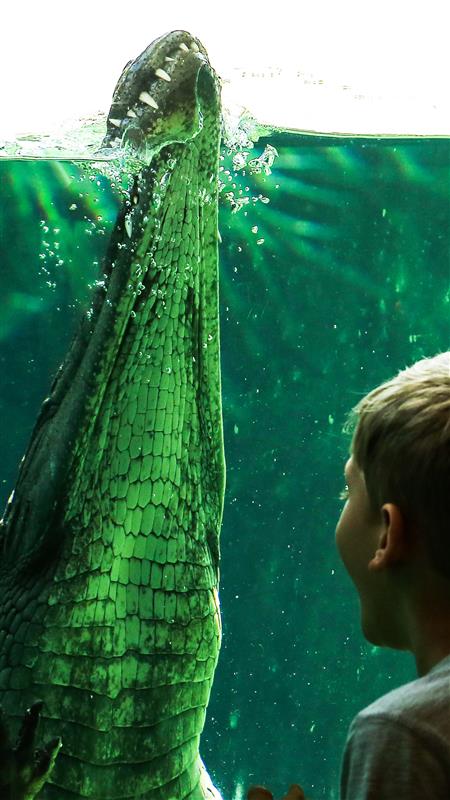
Both land and water protections are available, with mugger crocodile population occuring in at least one protected area. They have also been successfully reintroduced to some areas and benefitted from ex-situ conservation.
Education programs and international legislation covering management and trade controls also contributed to the enhanced conservation of this crocodilian species.
Education programs and international legislation covering management and trade controls also contributed to the enhanced conservation of this crocodilian species.
 Did you know?
Mugger crocodiles trick birds by balancing sticks and branches on their heads to lure those that are looking for nesting material.
A group is called a “bask”.
About Al Ain Zoo

About Al Ain Zoo
A Pioneering Vision
Established in 1968 by the UAE’s founding father Sheikh Zayed bin Sultan Al Nahyan, Al Ain Zoo has been in the forefront of preserving the region’s wildlife and delicate ecosystem, while caring for hundreds of endangered animals.
Learn More